
Your passport, visa, tickets, IDs, and booking confirmations are more than paperwork. They are the keys that keep your trip moving smoothly, especially when you are crossing borders, checking into accommodation, renting a vehicle, or handling an unexpected delay. A simple plan for protecting your travel documents can save hours of stress and help you respond quickly if something is lost, stolen, damaged, or inaccessible.
Note: This guide shares general, practical document-safety steps. Requirements can vary by country, airline, and itinerary, so always confirm current rules with official sources (for example, your government’s travel site, the airline, and your destination’s embassy/consulate) before you depart.
Why do travel documents need extra protection?
Travel documents need extra protection because they are difficult to replace quickly and often prove your identity, legal travel status, reservations, and right to access services. Losing a passport or entry document abroad can interrupt flights, hotel stays, tours, and onward transportation. Even less obvious items, such as insurance details or emergency contacts, become important when you need help and your phone battery is low, your bag is missing, or you do not have reliable internet.
The goal is not to travel nervously. It is to create enough backup that one problem does not become a full trip crisis. When your most important information exists in more than one safe place, you can keep thinking clearly and take the next practical step.
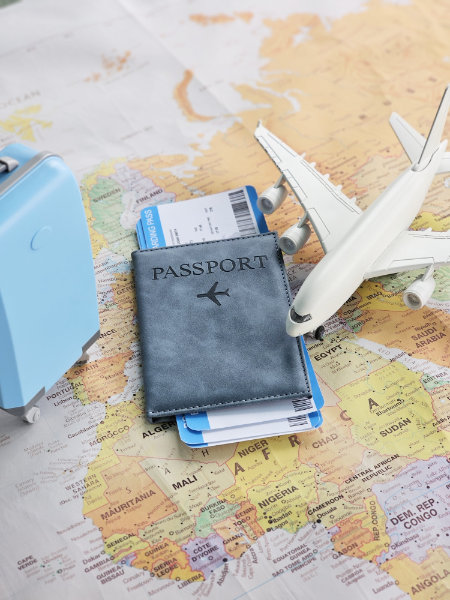
Build a travel document safety system before you leave
Good document security starts at home, not at the airport. Before departure, lay out everything you may need and separate “must carry” documents from “nice to have” paperwork. This prevents last-minute stuffing of passports, receipts, and confirmations into one overpacked pocket where they are easy to misplace.
A practical pre-trip document checklist includes:
- Passport, national ID, driver’s license, or other required identification
- Visa, residence permit, entry approval, or travel authorisation if applicable
- Flight, train, ferry, or bus confirmations
- Hotel, rental, tour, or event booking details
- Travel insurance policy number and emergency assistance contact
- Emergency contact information for family, companions, or your workplace
- Copies of prescriptions or medical letters when relevant
- Payment card emergency numbers, stored separately from the cards themselves
Once you have the documents together, remove anything unnecessary. Carrying old IDs, extra cards, expired paperwork, or unrelated personal documents increases the risk if your bag is lost. Travel light, but travel prepared.
Make secure copies of travel documents that are actually useful
Copies are only helpful if you can access them when you need them. Create both digital and physical backups of your essential travel documents. A photocopy in your suitcase will not replace a passport, but it can make it easier to report a loss, confirm your details, or communicate with an embassy, airline, hotel, or insurer.
For digital copies, store clear scans or photos in a secure cloud folder and, if possible, save an offline version on your phone. Use password protection, device lock screens, and two-factor authentication where available. Avoid keeping sensitive files in an unprotected photo gallery labelled with obvious names like “passport scan.”
For paper copies, keep the travel documents separate from the originals. If your passport is in a neck pouch or zipped inner pocket, place photocopies in a different bag, folder, or suitcase compartment. If you are traveling with someone you trust, each person can carry a copy of the other’s key details, as long as everyone understands the privacy responsibility.
Keep originals close, but not constantly exposed
Your original passport and core documents should be close enough to access when needed, but not handled more than necessary. Frequent rummaging through bags at counters, cafés, taxis, and security lines creates opportunities for items to slip out or be seen by others. Build a routine: use the document, check it, return it to the same secure place.
A slim travel wallet, zippered pouch, or internal jacket pocket can work well. The best option is one that stays comfortable, closes securely, and does not require you to unpack half your bag in public. Avoid placing documents in back pockets, loose tote bags, open backpack compartments, or seat pockets on planes and buses.
When you reach your accommodation, decide what you truly need to carry each day. In some places, you may need identification with you; in others, a copy may be enough for routine outings. If a room safe or front-desk safe is available and you trust the setting, store documents you do not need immediately. If not, use a hidden, zipped, or locked compartment in your luggage and keep the bag secured.
What should you do if a document goes missing?
If a document goes missing, pause, retrace your last steps, secure your remaining valuables, and report the loss to the appropriate authority or service provider as soon as possible. Acting quickly matters, but panic usually wastes time. Start with the most likely locations, then move into official replacement and protection steps.
Use this order of action:
- Check predictable places first. Look in the last bag, counter, taxi, hotel room, restaurant seat, or security tray where you handled the item.
- Separate what remains. Move your other ID, payment cards, and copies into a safer place so one loss does not become several.
- Contact the provider. Call the airline, hotel, tour company, bank, or transport office if the item may have been left with them.
- Report theft or confirmed loss. If your passport, ID, or cards were stolen, file the required report with local authorities if needed for replacement or insurance.
- Contact your embassy, consulate, insurer, or card issuer. Use your copies and stored emergency numbers to speed up the process.
If you are a U.S. citizen: for the most current steps to replace a lost or stolen passport abroad and for emergency passport guidance, use the U.S. Department of State’s official resources at travel.state.gov and contact the nearest U.S. embassy or consulate.
Protect digital versions from avoidable risks
Digital convenience is useful, but it creates its own vulnerabilities. Many travelers store everything on a phone and then find themselves stuck when the phone is stolen, damaged, locked, or out of battery. Treat your device as one access point, not the only one.
Before you leave, update your phone lock, know your cloud password, and make sure you can access important files from another device if necessary. Avoid sending passport scans through unsecured public computers or leaving files downloaded on shared devices. If you must print or upload documents while traveling, delete local files afterward and log out completely.
It also helps to keep key reference numbers in a small offline note, separate from full scans. For example, you might store an insurance assistance number, reservation code, or embassy contact without exposing every detail of your identity documents.
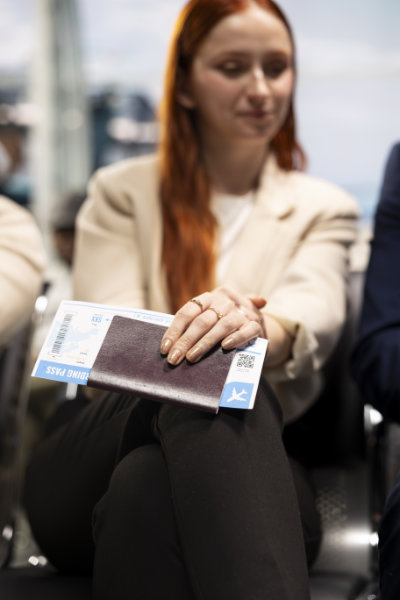
Use simple habits during travel days
Travel days are when documents are most likely to be misplaced because you are moving quickly, handling luggage, watching departure boards, and responding to staff requests. A few repeated habits can reduce risk dramatically.
Before leaving any seat, counter, taxi, or security area, do a quick “phone, wallet, passport, tickets” check. Say it silently every time until it becomes automatic. Keep documents zipped away between checkpoints, not loose in your hand while you buy coffee or rearrange bags.
If you are traveling as a family or group, assign responsibility clearly. One adult may hold passports during border control, but each traveler should know where their documents are stored. For children’s documents, use a dedicated folder and count items before and after each major checkpoint.
Situations where you should double-check requirements
- International travel with minors: some destinations and airlines may request additional documentation (for example, proof of relationship or consent to travel). Confirm requirements before departure.
- Dual citizenship: you may be required to enter/exit a country on a specific passport. Verify with official government guidance for each country involved.
- Land and sea crossings: rules for closed-loop cruises, border crossings, and regional travel can differ from standard international flight requirements.
Official resources to bookmark (United States)
- S. Department of State (passports, international travel guidance): travel.state.gov
- Transportation Security Administration (TSA) ID and screening guidance: tsa.gov
- Smart Traveler Enrollment Program (STEP) for U.S. citizens: step.state.gov
Official resources to bookmark (United Kingdom)
- U.K. Foreign Travel Advice for British Citizens gov.uk
- U.K. Help and services around the world gov.uk
A calm plan is the best protection
Safeguarding travel documents is really about reducing single points of failure. Keep originals secure, copies separate, digital files protected, and emergency information easy to reach. The system does not need to be complicated; it just needs to be consistent.
Before your next trip, spend a few minutes organising your documents the same way you would confirm flights or pack chargers. That small effort can make your journey smoother, safer, and far less stressful if plans change along the way.
