
Flight cancellations are frustrating because they can disrupt an entire trip in a single message. While it may feel random when a flight is cancelled, most cancellations happen for a practical reason tied to safety, staffing, aircraft availability, weather, or airport operations.
Understanding the most common causes can help you react faster, ask better questions, and make smarter backup plans.
Why do airlines cancel flights?
Airlines cancel flights when operating the trip is unsafe, impossible, or likely to create larger disruptions across the schedule. Sometimes the cause is obvious, such as a major storm. Other times, the reason is less visible to passengers, such as an aircraft arriving late from another city, a crew timing out, or a mechanical issue that requires inspection before departure.
Cancellations are not always caused by the airline alone. Airports, air traffic control, security issues, severe weather, and even disruptions at another hub can affect whether a plane, crew, and gate are available at the right time. In many cases, a flight is cancelled since it is the final result of several smaller delays stacking up.
Severe weather and unsafe flying conditions
Weather is one of the most common reasons flights get cancelled because aviation depends on safe conditions in the air and on the ground. Thunderstorms, hurricanes, heavy snow, ice, fog, strong winds, and low visibility can make takeoff, landing, or ground handling unsafe.
Even if the weather looks fine where you are, your aircraft may be coming from a city affected by storms. The destination airport may also be experiencing poor visibility or runway restrictions. This is why passengers are sometimes surprised to see a cancellation on a sunny day.
Winter weather can be especially disruptive because snow and ice affect more than the flight path. Airports may need extra time for plowing, deicing aircraft, clearing taxiways, and spacing out departures. When too many flights are delayed, airlines may cancel some to prevent the entire schedule from collapsing.
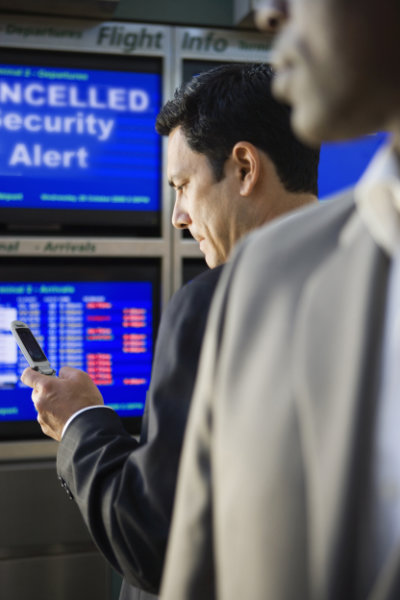
Mechanical issues and aircraft maintenance
A mechanical problem does not always mean something dramatic has happened. It may be a warning light, a system check, a tire issue, a cabin equipment problem, or a required inspection that must be completed before the plane can safely depart.
Airlines follow strict maintenance procedures, and if an aircraft cannot be cleared in time, the flight may be delayed or cancelled. Sometimes a replacement aircraft is available. Other times, especially at smaller airports or during busy travel periods, there may not be another plane ready to take over.
Although mechanical cancellations are inconvenient, they are rooted in safety. If there is uncertainty about whether an aircraft is fit to fly, the responsible choice is to keep it on the ground until the issue is resolved.
Crew scheduling problems
Every flight needs qualified pilots and flight attendants who are legally permitted and physically able to work the trip. Crews have limits on how many hours they can be on duty, how much rest they need between assignments, and what types of aircraft or routes they can operate.
If an earlier flight is delayed, a crew may “time out” before the next trip can depart. This can happen even when the plane is ready and the weather has improved. The airline then has to find another eligible crew, which may not be possible quickly.
Crew availability can also be affected by illness, transportation delays, severe weather in another city, or widespread operational disruptions. During peak travel seasons, there may be fewer backup crew members available because schedules are already stretched.
Aircraft availability and late inbound planes
Many airline schedules depend on aircraft moving from city to city throughout the day. If the plane assigned to your route is delayed on a previous leg, your departure may be affected. If that delay becomes too long, the airline may decide that cancelling the next flight is the best way to reset the schedule.
This is especially common with tightly scheduled aircraft that operate multiple flights per day. A delay in the morning can ripple into afternoon and evening departures. By the time the disruption reaches your flight, the original cause may have happened several cities away.
Aircraft availability can also become a problem when an airline has to reposition planes after storms, maintenance events, or airport closures. A route may have passengers and crew ready, but no aircraft in the right place.
Air traffic control and airport congestion
Flights can be cancelled because the airspace or airport cannot safely handle the planned number of arrivals and departures. Air traffic control may slow traffic due to weather, runway closures, staffing constraints, or heavy congestion.
When too many flights are scheduled into a limited operating window, delays can build quickly. Airlines may cancel some flights to reduce pressure on the system and protect other departures. This often happens at busy hubs where one disruption can affect connections across the country.
Airport issues can also include closed runways, gate shortages, equipment failures, security incidents, or local emergencies. These problems may not involve the airline directly, but they can still prevent a flight from operating.
Operational decisions and route changes
Sometimes a flight is cancelled because the airline makes an operational decision. This can happen when passenger loads are low, when aircraft need to be reassigned, or when a schedule change makes a route impractical. In these cases, the cancellation may be announced well before departure rather than at the airport.
Airlines may also consolidate passengers onto another flight if several departures serve the same route. While this can be frustrating, it may be used to preserve aircraft and crew for busier or more time-sensitive routes.
Short-notice operational cancellations are harder on travellers because they leave less time to adjust plans. If your flight is cancelled close to departure, act quickly before alternative seats disappear.
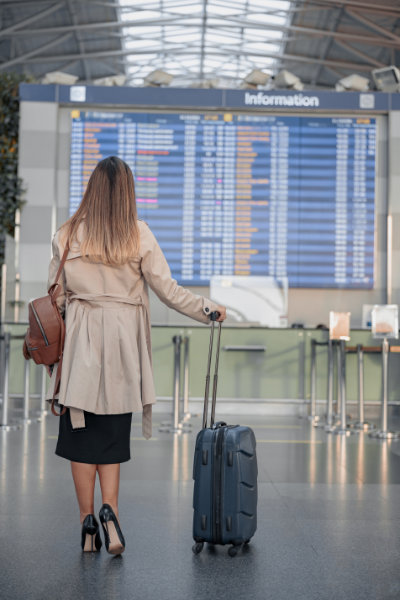
What should you do when your flight is cancelled?
When your flight is cancelled, check the airline app first, look for automatic rebooking options, and contact the airline through more than one channel if needed. The fastest solution is often already available in the app, but speaking with an agent can help if the proposed replacement does not work for your plans.
Use this quick checklist:
- Confirm the cancellation in the airline app or website. Avoid relying only on airport screens, which may lag behind real-time updates.
- Look at the new itinerary before accepting it. Check departure time, arrival time, layovers, airport changes, and seat assignments.
- Search for alternatives yourself. If you see a better option on the same airline, ask for it specifically.
- Consider nearby airports. A different arrival or departure airport may get you moving sooner.
- Keep receipts for extra expenses. If you need meals, transport, or lodging, documentation may help with claims or travel insurance.
- Review your airline’s cancellation policy. Options can vary depending on the cause of the disruption, ticket type, and route.
If you booked through a third-party travel site, you may need to coordinate with both the airline and the booking provider. During major disruptions, airport lines and phone waits can be long, so use chat, social support channels, and self-service tools when available.
How to reduce the risk of cancellation disruptions
You cannot prevent every cancellation, but you can reduce how much damage one causes. The best strategy is to build flexibility into your travel plans before something goes wrong.
Consider these practical habits:
- Book earlier flights when possible. Morning departures often have more room to recover if delays occur later in the day.
- Avoid very tight connections. A short layover may save time on paper but leaves little margin for weather, taxi delays, or gate changes.
- Choose nonstop routes when practical. Fewer segments mean fewer chances for a missed connection or aircraft issue.
- Monitor weather at all airports involved. Check your departure city, destination, and major connection points.
- Download the airline app before your trip. It can help you receive alerts, rebook, and track baggage faster.
- Leave extra time for important events. Conferences, work parties, meetings, and tours are harder to protect when you travel at the last minute.
Travel insurance or credit card travel protections may also help, depending on the policy. Read the terms before you need them, because coverage usually depends on the reason for the cancellation and the expenses involved.
The takeaway for travellers
Flight cancellations usually happen because something in the travel system no longer lines up safely or reliably. Weather, maintenance, crew limits, aircraft positioning, airport congestion, and operational decisions can all play a role.
The best response is to stay calm, move quickly, and know your options. A cancellation is never convenient, but if you understand why it happens and what to do next, you can often recover your trip with less stress and fewer surprises.
