
Choosing accommodation with a lighter environmental footprint can make your trip feel better without making it less comfortable. Green hotels and sustainable hotels focus on reducing waste, saving energy and water, supporting local communities, and offering guests a more responsible way to travel. The key is knowing what to look for, because not every hotel that sounds eco-friendly is making meaningful changes behind the scenes.
Last updated: 11 November 2026
Quick checklist (how to vet a hotel’s claims)
If you want a fast way to separate solid sustainability work from marketing, look for information that is specific, verifiable, and recent. In practice, that means:
- Specific actions: clear details (for example, renewable electricity supply, low-flow fittings, refillable toiletries, food-waste controls), not just “eco-friendly” statements.
- Independent proof: credible third-party certification or a clear explanation of standards used and audits completed.
- Measurable reporting: targets, progress updates, or a short sustainability report (even a simple annual summary).
- Guest experience alignment: recent reviews that mention how sustainability shows up in the stay (not only how the hotel describes itself).
- Responsible business practices: transparency around staff wellbeing, local sourcing, accessibility, and community impact.
What makes a hotel genuinely green?
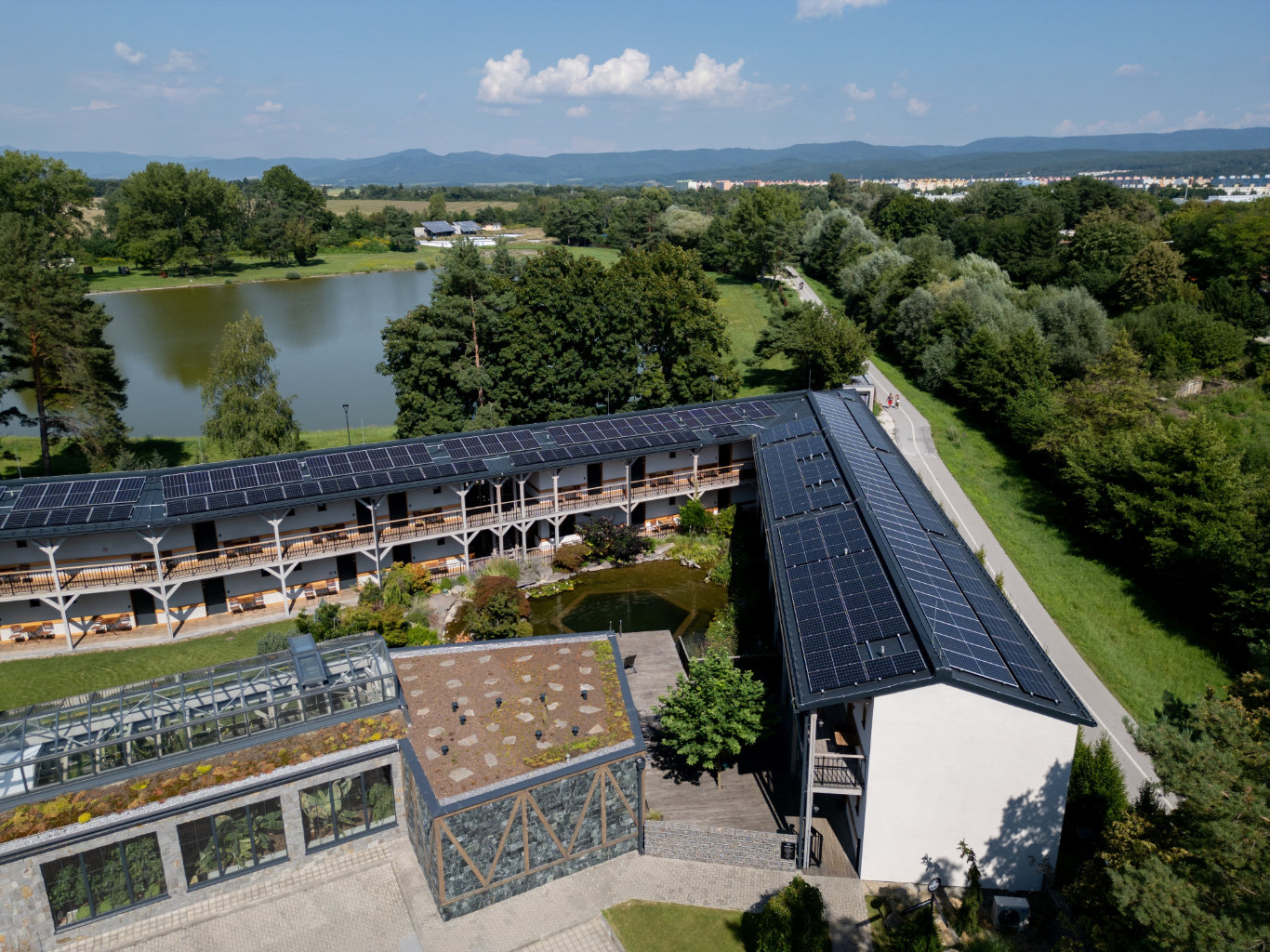
A genuinely green hotel takes practical, measurable steps to reduce its impact on the environment while still providing a good guest experience. That might include renewable energy, efficient heating and cooling, water-saving systems, responsible sourcing, reduced single-use plastic, thoughtful waste management, and fair treatment of staff and local suppliers.
It is worth looking beyond the language on the homepage. Words such as “natural”, “eco”, “green” and “conscious” can be useful clues, but they do not prove much on their own. The strongest green hotels usually explain what they do in clear terms, rather than relying on vague promises or pretty pictures of leaves.
A good sign is transparency. If a hotel shares details about its energy use, food sourcing, cleaning products, recycling systems or community work, you have something real to assess. If the information is hard to find, overly broad or full of buzzwords, take a little more time before booking.
Look for credible sustainability credentials
Certifications are not the only way to judge a hotel, but they can help you separate genuine effort from marketing. A recognised sustainability certification usually means the property has been assessed against specific criteria, rather than simply declaring itself environmentally friendly.
When checking credentials, look for schemes that cover a broad range of operations, such as energy, waste, water, procurement, biodiversity and social responsibility. Some certifications are regional, while others are used internationally, so do not dismiss an unfamiliar label immediately. Instead, click through and see what the standard actually requires.
Examples of credentials you may see in the UK (always verify that the certification is current and applies to the specific property):
- Green Key (international eco-label for tourism and hospitality)
- Green Tourism (commonly used in the UK for tourism businesses)
- EarthCheck (international benchmarking and certification)
- ISO 14001 (environmental management systems; check how it is applied at property level)
- BREEAM / LEED (building sustainability standards; helpful context, but operational practices still matter)
Useful things to check include:
- Whether the certification is current, not several years out of date.
- Whether it applies to the specific hotel, not only the wider hotel group.
- Whether the assessment is independent or self-reported.
- Whether the criteria include social and community impact as well as environmental measures.
- Whether the hotel explains what it has improved, not just which badge it holds.
If a hotel has no certification, it may still be doing excellent work, especially if it is a small independent property. In that case, look for specific practices and honest explanations. Sustainability is a journey, but a hotel should be able to show where it is on that journey.
Check energy and water practices before you book
Energy and water use are two of the biggest areas where hotels can make a difference. Heating, air conditioning, laundry, lighting, pools and kitchens all require resources, so responsible management matters.
Look for signs that the hotel has invested in efficiency rather than simply asking guests to reuse towels. Towel reuse is helpful, but it should not be the whole strategy. More meaningful measures might include efficient boilers, smart room controls, LED lighting, renewable electricity, good insulation, low-flow taps and showers, and systems that reduce unnecessary linen changes.
Water matters especially in destinations affected by drought, overtourism or seasonal pressure. A hotel with water-saving fittings, rainwater collection, native planting and careful laundry policies may place less strain on the local area. If the property has large pools, extensive lawns or high-water spa facilities, check whether it explains how these are managed responsibly.
As a guest, you can support these efforts by using air conditioning moderately, turning off lights, reporting leaks and choosing linen changes only when needed. Sustainable hotels work best when the property and the traveller both play their part.
How can you spot greenwashing?
Greenwashing happens when a hotel presents itself as more sustainable than it really is. You can spot it by looking for vague claims, missing evidence and a focus on small gestures while larger impacts are ignored.
For example, a hotel may promote paper straws while saying nothing about energy, food waste, staff conditions or local sourcing. It may describe itself as “planet-friendly” without explaining what that means. It may also use nature-heavy branding to create an eco-conscious impression, even if its operations are fairly conventional.
Watch out for these warning signs:
- Big claims with no detail, such as “100% eco” or “completely sustainable”.
- No sustainability page, policy or practical explanation.
- A single initiative presented as if it covers the whole business.
- Claims that cannot be checked or are not linked to any standard.
- Heavy use of disposable amenities despite eco-friendly messaging.
- No mention of staff, local suppliers or community impact.
Questions to ask a hotel (if details are missing)
If the sustainability information is thin, a short message to the property can be revealing. Useful, practical questions include:
- Do you have a current sustainability certification? If so, which one, and can you share a link to the listing?
- Is your electricity 100% renewable, partially renewable, or standard grid mix?
- What systems do you use to reduce laundry and water use (beyond towel reuse cards)?
- How do you measure and reduce food waste?
- Do you offer refillable toiletries and drinking water refill points?
- What recycling and waste separation is available for guests?
- Do you publish sustainability goals or an annual update?
A trustworthy hotel can usually answer clearly, even if it is still improving.

Consider food, waste and local sourcing
Food is a major part of the hotel experience, and it can also be a major source of waste. A greener hotel will often think carefully about menus, suppliers, portions and packaging. Local and seasonal food can reduce transport impact while giving guests a stronger connection to the destination.
Breakfast is a useful place to look. Large buffets can be convenient, but they may also create unnecessary waste if poorly managed. Some hotels reduce this by offering cooked-to-order dishes, smaller replenished displays, clear labelling, food donation partnerships or composting systems.
Also consider what appears in the room. Refillable toiletries are usually better than tiny single-use bottles, provided they are managed hygienically. Filtered water stations, reusable glassware, minimal packaging and recycling points can all make responsible choices easier for guests.
The best green hotels do not make sustainability feel like deprivation. They make it feel considered. A locally sourced meal, a refillable water bottle, a room without needless plastic and a well-designed recycling system can improve the stay rather than diminish it.
Think about location and transport
A hotel’s environmental impact is not only about what happens inside the building. Location affects how you move around during your trip, and transport can quickly outweigh smaller hotel-level choices.
If possible, choose accommodation close to public transport, walkable neighbourhoods or the places you plan to visit. A slightly more expensive central hotel may reduce the need for taxis or hire cars, saving both emissions and time. If you are staying outside a city centre, check whether the hotel provides shuttle options, bike storage, bicycle hire or clear public transport guidance.
For countryside or coastal stays, look at how the property protects the surrounding landscape. Responsible paths, wildlife-sensitive lighting, native planting and guidance for guests can all help reduce pressure on fragile areas. A hotel that values its location will usually encourage visitors to enjoy it respectfully.
Balance comfort, budget and impact
Choosing sustainable hotels does not mean you must pick the most rustic, expensive or remote option. The best choice is the one that fits your trip while making a credible effort to reduce harm. A city business hotel with strong efficiency standards may be a better option than a rural retreat with vague eco claims.
Before booking, decide which factors matter most for your journey. You might prioritise public transport access, renewable energy, vegetarian food, low-waste rooms, local ownership or family-friendly facilities. Once you know your priorities, it becomes easier to compare options without getting distracted by surface-level branding.
A simple booking checklist can help:
- Read the hotel’s sustainability information, not just the summary on a booking platform.
- Check for current, credible certification or clear evidence of practical action.
- Look at energy, water, food, waste and transport details.
- Read recent guest reviews for clues about whether the claims match the experience.
- Choose the best overall fit, not the hotel with the loudest green messaging.
A better stay starts with better questions
Choosing a greener hotel is not about perfection. It is about asking better questions, rewarding businesses that take responsibility, and making travel choices that respect the places you visit. When more guests pay attention to sustainability, hotels have a stronger reason to improve.
Green hotels can offer comfort, character and convenience while reducing unnecessary waste and resource use. By checking credentials, reading the details and thinking about transport, food and local impact, you can book with more confidence. The result is a stay that feels good for you and gentler on the destination that welcomes you.
Standards and further reading
- Global Sustainable Tourism Council (GSTC): criteria for sustainable travel and tourism
- Green Key: certification information and criteria
- Green Tourism (UK): programme details and assessment approach
- EarthCheck: certification and benchmarking overview
